
2nd International Conference on Enhanced Oil Recovery (EOR) methods
Objective of the Conference
Incentive research on EOR methods and promote the EOR activities in the Ecuadorian Petroleum basin located in the Amazonian región.
Conference Sections
- Secondary EOR
- Water flooding
- Tertiary recovery methods
- Modelling and simulation of EOR processes
- Smart water EOR process
- Wet and dry in situ combustión
- Advances in Surfactant-Polymer flooding
- Water-Alternating-Gas EOR method
- EOR with Cold and hot nanofluids
- Improvements in the engineering of steam-based methods (SAGD, CSS, steam-flooding)
- Electromagnetic heating EOR process
- Supercritical water
- CO2 flooding EOR process
- EOR field applications
- Artificial Intelligence in the design of EOR fluids
- Other methods
- In situ hydrogen generation and storage
- Advances in developing methane hydrate reserves
Organizing Committee
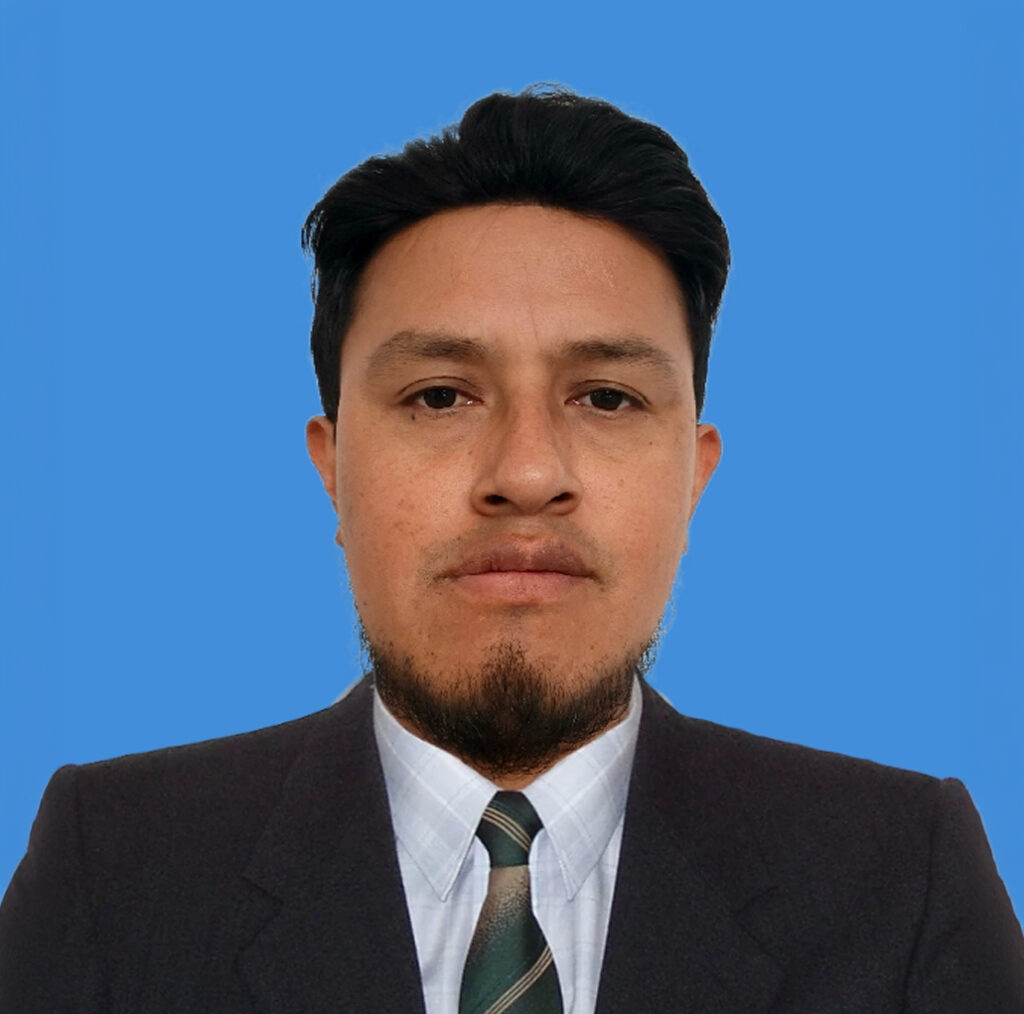
Diego Cuzco
EP Petroecuador
Chairman
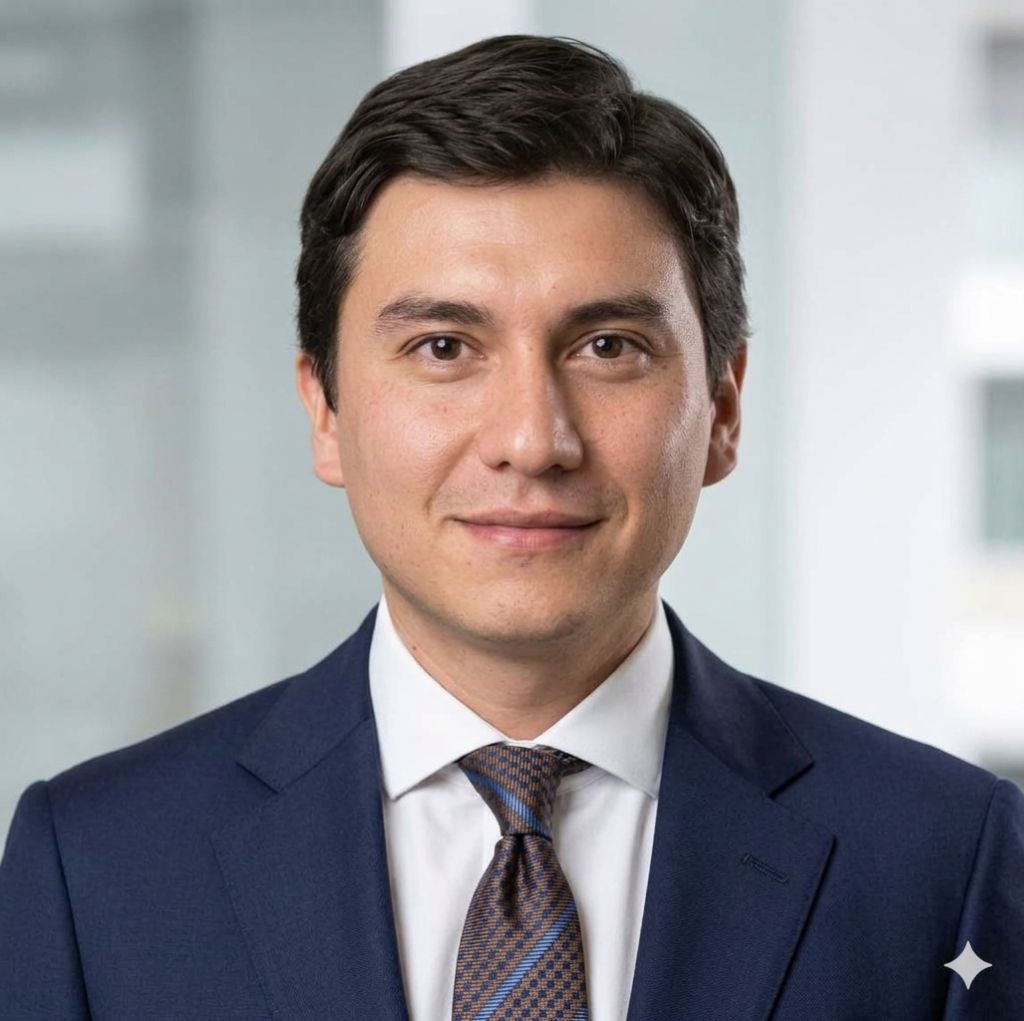
Luis Naranjo
EP Petroecuador
Scientific secretary
International Scientific Commitee
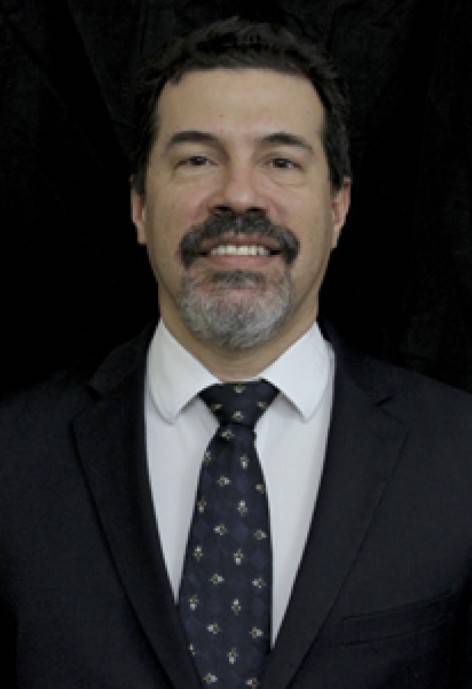
Vladimir Alvarado
Full Professor and current Department Head in the Department of Chemical and Biomedical Engineering
University of Wyoming (EE.UU.)
He started his career at the Venezuelan State Oil Company Research Center, PDVSA-Intevep. He served as Adjunct Associate Professor at USB (Caracas, Venezuela) from 1999 to 2003 in the Department of Thermodynamics and Transfer Phenomena. In 2003, Dr. Alvarado was a Visiting Professor at PUC-Rio, Brazil. From 2005 to 2008 he acted as a senior consultant for Norwest Corp. In 2006, he joined the Department of Chemical and Petroleum Engineering University of Wyoming. In 2016, he joined the Department of Chemical Engineering (later Chemical and Biomedical Engineering) as its Department Head until 2021. His areas of expertise include Enhanced-Oil Recovery, Interfacial Science, Multiphase Flow through Porous Media, Rock Physics and Rheology. Alvarado holds a B.Sc. in Physics from UCV, a Masters in Exploration and Production from IFP (Institut Français du Pétrole, Paris, France) and a Ph.D. degree in Chemical Engineering, from University of Minnesota. He has published more than 100 peer-review articles, book chapters and conference proceedings. He co-authored the book “Enhanced Oil Recovery: Field Planning and Development Strategies” (Gulf-Publishing – Elsevier, 2010), also translated into Russian and Portuguese.
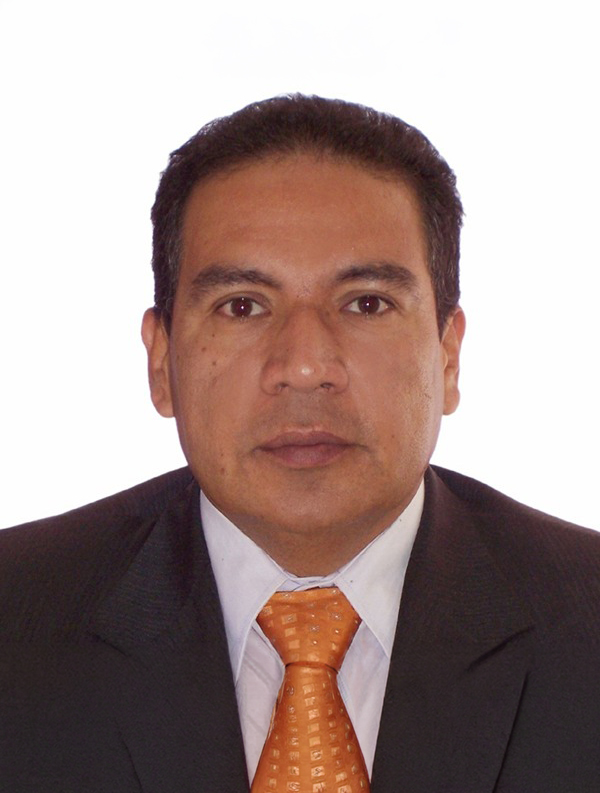
Diego Bermeo
Petroleum Engineer
Universidad de América in Bogotá (Colombia)
Petroleum Engineer from Universidad de América in Bogotá, with more than 35 years of experience in the oil and gas industry. His professional career has focused on the chemical treatment of crude oil, water, and gas; corrosion control; well stimulation; and completion fluid design. He has held technical and managerial leadership positions at companies such as Champion Chemicals, BASF Química Colombiana, MI SWACO, and CETS, including serving as Regional Technical Manager for Colombia, Peru, Ecuador, Venezuela, and Trinidad and Tobago. He has extensive experience in designing stimulation treatments using surfactants and nanofunctionalized acids for formation damage remediation.
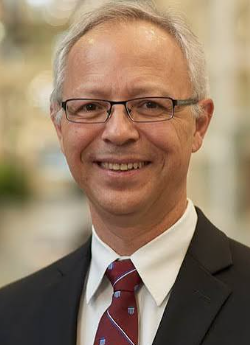
Birol Dindoruk, Ph.D
George and Joan Voneiff Professor
Texas A&M University (U.S.A.)
Dr. Birol Dindoruk is George and Joan Voneiff Professor of Petroleum Engineering at Texas A&M University at College Station. Previously he was AADE Endowed Professor of Petroleum Engineering & Chemical and Biomolecular Engineering at University of Houston, and before that he was the Chief Scientist of Reservoir Physics and the Principal Technical Expert of Reservoir Engineering in Shell.
His technical contributions have been acknowledged with many awards during his career, including Society of Petroleum Engineering (SPE) Lester C. Uren Award (2014), Cedric K. Ferguson Medal (1994), and Distinguished Membership. In 2017, and finally the highest society award: SPE Honorary Member award in 2023. Recently he received 2026 Improved Oil Recovery (IOR) Pioneer Award by the SPE.
He was elected as a member of the National Academy of Engineering (NAE) for his significant theoretical and practical contributions to EOR & CO2 sequestration in 2017 and later on in 2025 elected to the National Academy of Inventors (NAI). Just recently, June 2026, he was elected to Norvegian Academy of Technological Sciences (NTVA) as well.
He was one of the Distinguished Lecturers of SPE for 2010-2011 term.
Dr. Dindoruk was Data Science and Engineering Analytics Technical Director of the SPE and a member of the Advisory Committee of the SPE Reservoir Dynamics and Description Technical Discipline. He has been active in various editorial positions under SPE and also Elsevier. Currently he is the Editor In Chief for all SPE Journals.
Dindoruk is the only individual in the entire world serving as an editor-in-chief for the first three most cited oil, petroleum and natural gas journals on Google Scholar.
Dr. Dindoruk is well-known for his extensive work on thermodynamics of phase behavior/EOS development, miscibility assessment and experimental work, interaction of phase behavior and flow in porous media, enhanced oil recovery and CO2 sequestration, and correlative methodologies.
Recently, Dr. Dindoruk has also been working in the area of data analytics, artificial intelligence, and machine learning and focusing on effective incorporation of data sciences into the oil and natural gas industry practices and energy systems. In recent years, he has authored/co-authored various articles for hydrogen, geothermal systems and adsorptive storage.
Dindoruk has 28 years of industrial experience, holds a BSc Degree from Technical University of Istanbul in Petroleum Engineering, MSc Degree from The University of Alabama in petroleum engineering and also a PhD from Stanford University in Petroleum Engineering and Mathematics, and an MBA from University of Houston.

Edgar Ramírez Jaramillo, Ph.D.
Director of the Flow Assurance Laboratory
Center of Technologies for Exploration and Production, Instituto Mexicano del Petróleo (México)
Bachelor in Physics graduated from the Faculty of Sciences at National University of Mexico (UNAM), with a Master’s degree in Physics and a PhD in Materials Science and Engineering, also from UNAM. He has 28 years of experience at the Mexican Petroleum Institute (IMP), specializing in hydrocarbon phase equilibrium thermodynamics, multiphase flow, and transport properties. He is Head of the Flow Assurance Laboratory at the Center for Exploration and Production Technologies (CTEP) of the IMP. He has published 22 papers. For over 25 years, he has taught undergraduate, Master’s, and Doctoral courses at UNAM and the IMP. He has supervised 25 undergraduate theses, 19 Master’s theses, and 3 doctoral dissertations. He has been a member of the National System of Researchers level I since 2002. He has participated in diverse projects that include topics such as technology transfer, rheology of heavy and extra-heavy oils, numerical modeling of flow assurance problems related to the prediction of organic solids deposition scenarios under hydrocarbon production and transport conditions, among others.
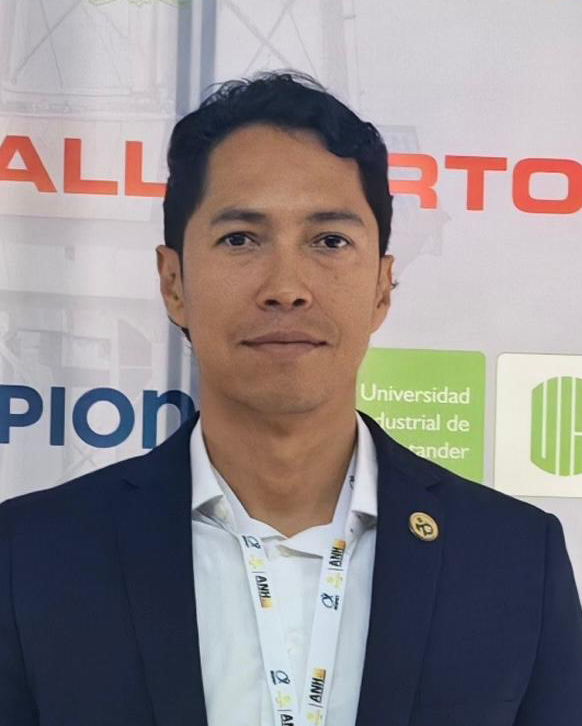
Hernando Bottia, Ph.D.
Gonzalez Tascón S.A.S – Vinci Technologies (Colombia)
Dr. Hernando Bottía Ramírez is a Chemical Engineer with more than 20 years of experience in petroleum engineering, enhanced oil recovery (EOR), laboratory development, technology innovation, and industrial implementation. He holds a Ph.D. in Chemical Engineering from Universidad Industrial de Santander (UIS), Colombia.
Throughout his career, he has led and participated in research, development, and innovation projects covering chemical, thermal, miscible, and emerging EOR technologies. His experience includes laboratory and field-oriented studies in polymer flooding, surfactant systems, in-situ combustion, air injection, microwave-assisted recovery, reservoir fluid characterization, and carbon capture, utilization, and storage (CCUS).
Dr. Bottía has held technical and leadership positions in Ecopetrol, research institutions, universities, and technology-based companies, where he has been responsible for the development and scale-up of technologies from laboratory validation to pilot and industrial implementation. His work has contributed to the design of laboratory protocols, pilot facilities, monitoring methodologies, and technology evaluation frameworks for field applications.
He currently serves as researcher, consultant, and technical advisor in projects related to Enhanced Oil Recovery, Carbon Capture and Storage, and energy transition technologies in Colombia.
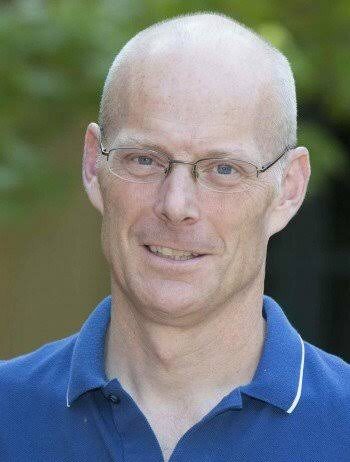
Anthony Kovscek, Ph.D.
Proffesor
Keleen and Carlton Beal Professor Stanford University (U.S.A.)
Dr. Anthony (Tony) Kovscek is the Keleen and Carlton Beal Professor in the Department of Energy Science and Engineering at Stanford University, Director of the SUETRI-A program on subsurface engineering for sustainability, Director of the Stanford Center for Carbon Storage (SCCS), and senior fellow at the Precourt Institute for Energy. Previously, he was Chair of the Department of Energy Resources Engineering from 2012 to 2018 and Director of the Center for Mechanistic Control of Unconventional Formations, a US DOE Energy Frontier Research Center, from 2018 to 2024. He is an elected member of the U.S. National Academy of Engineering and was honored to receive the John Franklin Carll award for distinguished contributions to engineering, the Lester C. Uren award for distinguished achievement, and the Distinguished Achievement Award for Faculty from the Society of Petroleum Engineers. Dr. Kovscek’s research is motivated by the desire to mitigate negative impacts of large-scale energy production while meeting the energy challenge. In collaboration with his research group, he develops novel experimental apparatus to understand strongly coupled, multiphase, nonequilibrium, chemical and physical processes in porous media. Advanced imaging techniques, image processing, experimentation, and models provide the tools to understand the mechanisms of increased utilization of carbon dioxide for subsurface applications such as enhanced oil recovery, water reuse, underground hydrogen storage, and geological carbon storage, across length scales from the pore to the core to the field.
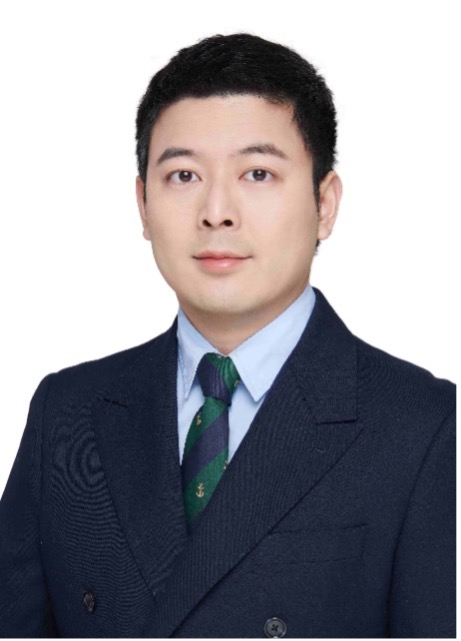
Zuhao Kou, Ph.D, Post-Doc.
Associate Professor
Southwest Petroleum University (China)
Dr. Zuhao Kou is an Associate Professor at Southwest Petroleum University, China. He received his Ph.D. from the University of Wyoming and completed his postdoctoral research at Columbia University. His research focuses on CO₂ geological storage, in-situ hydrogen production, and multiphase flow in porous media. He has published more than 20 SCI papers as first or corresponding author, including one ESI Hot Paper and three ESI Highly Cited Papers. He currently serves as an Associate Editor for Journal of Hydrology, SPE Journal, and Geoenergy Science and Engineering. Dr. Kou is the recipient of the SPE Regional Formation Evaluation Award, the SPE Regional Reservoir Description and Dynamics Award, and the TWA Energy Influencer Award.
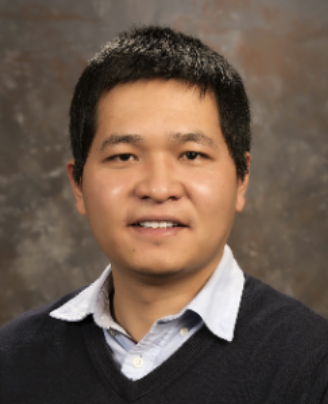
Heng Wang, Ph.D.
Professor at Key Laboratory of Oil and Gas Reservoir Geology and Exploitation
Chengdu University of Technology (China)
Dr. Wang Heng, Professor at the State Key Laboratory of Oil and Gas Reservoir Geology and Exploitation, Chengdu University of Technology. He received his Ph.D. in Petroleum Engineering from the University of Wyoming in 2017. His research primarily focuses on CO₂ enhanced oil recovery and geological storage, geological hydrogen storage, and unconventional oil and gas field development. He has led or participated in three national-level research projects. He has published 35 SCI-indexed papers and contributed to the development of one national standard and two industry standards.
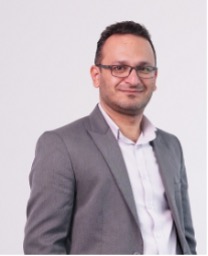
Mousad Riazi
Associate Professor in the Department of Petroleum Engineering
Nazarbayev University (Kazajistan)
Dr. Masoud Riazi is an Associate Professor in the Department of Petroleum Engineering at Nazarbayev University, School of Mining and Geosciences. He earned his BSc in Petroleum Engineering from the Petroleum University of Technology (Iran), his MSc in Reservoir Engineering from the University of Tehran, and his PhD from Heriot-Watt University (UK).
Dr. Riazi brings a strong combination of academic excellence and industrial expertise, with over 12 years of professional experience as a reservoir engineer and senior consultant in international energy projects across Kazakhstan, the UK, Iran, China, and Colombia. He has supervised a large number of undergraduate and graduate students, including PhD and postdoctoral researchers, and has authored more than 350 scholarly publications, reports, and patents. As of July 2026, his H-index is 57 in Google Scholar and 50 in Scopus.
His work bridges theory and practice, focusing on innovative, industry-relevant solutions in petroleum engineering. Dr. Riazi has received numerous awards for teaching, research, industry collaboration, and innovation and has been recognized among the world’s top 2% of scientists for 2019–2025.
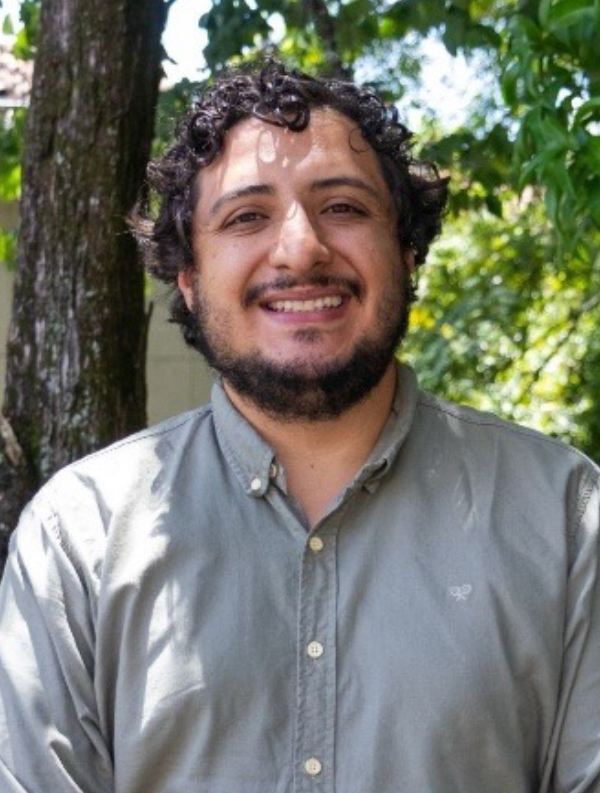
Camilo Franco
Associate Professor at the Department of Processes and Energía, Faculty of Mines
Universidad Nacional de Colombia (Colombia)
He is a Petroleum Engineer and a Ph.D. en Petróleo y Ph.D. in Energy systems Engineering in the Faculty of Mines at the Universidad Nacional de Colombia. Also, he obtained a Master Degree in Visual and Plastic Arts from the same University.
He has spent the last 15 years in R&D on nanotechnology applied to the Oil & Gas industry. He is author and co-author of over 100 scientific publications, 10 book chapters, 5 patents and over 100 times participated as speaker in National and International scientific events.
He has been awarded more than 20 times, Nationally and Internationally, among them he was the winner of the Petroleum Congress, organized byt ACIPET, in the editions 2019, 2022 and 2023. At the moment, he is found at the TOP 2% ams cited researchers, according to Stanford/Elsevier.
Currently, he performs as an Associate Professor at the Department of Processes and Energy in the Faculty of Mines at the Universidad Nacional de Colombia. His research is focused in nanoscience and nanotechnology applied to the Oil & Gas Industry, leading more tan five research projects with a budget higher than USD 5 millions. The results of these projects have contributed to the development of Human Resources, patenting and the implementation of cutting-edge solutions in real oil field operators.
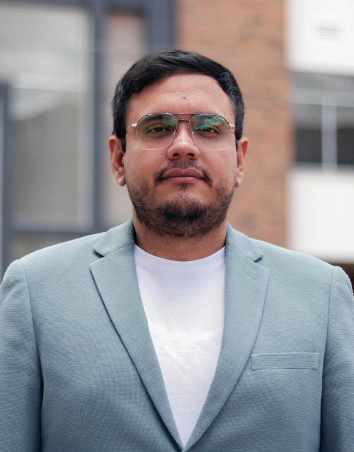
Bryan Medina, Ph.D.
Associate Professor
Yachay Tech University
Petroleum Engineer and Ph.D. in Chemical Engineering, with over 10 years of profesional experience in the Oil & Gas industry. His academic formation integrates petroleum characterization, petrophysic analysis, rock-fluid properties, interfacial phenomena, EOR, shale porous media architecture, unconventionals, CO2 storage and CCUS.
His career combines applied experience in petroleum and petrophysics laboratories with andanced multiscale charaterization in porous materials rock-fluid interactions, mass transport, gas adsorption, TD-NMR, Geochemical reactivity, Carbon and Hydrogene underground storage. He has workd in academic projects, external and multidisciplinary, developing technical protocols, protocols for QA/QC, academy related activities, scientific reports, scientific publications.
Schedule
| Monday 24th Aug, 2026 | ||
| Time (Ecuador time zone, GMT-5) | Event | Author |
| 08:30 – 09:00 | Registration | |
| 09:00 – 09:30 | Opening Ceremony | Diego Cuzco / Sigmar Cruz |
| 09:30 – 10:30 | Comprehensive methodology for selecting chemical products for application in flow assurance problems. From the reservoir to hydrocarbon storage facilities | Edgar Ramírez, Ph.D. |
| 10:30 – 11:00 | Coffee break | |
| 11:00 – 13:00 | Co-optimizing carbon dioxide enhanced oil recovery and storage | Anthony Kovscek, Ph.D. |
| 13:00 – 13:50 | Lunch | |
| 14:00 – 15:30 | Prediction of Fluid and Transport Properties for Flow in Porous Media Using Hybrid Approaches “(with minimum number of input parameters)” | Birol Dindoruk, Ph.D. Prof. |
| 15:30 – 16:00 | Coffee break / Networking | |
| Tuesday 25th Aug, 2026 | ||
| Time (Ecuador time zone, GMT-5) | Event | Author |
| 09:30 – 10:30 | CO2 EOR and storage in unconventional oil reservoirs, China | Heng Wang, Ph.D. |
| 10:30 – 11:00 | Coffee break | |
| 11:00 – 12:00 | Enhanced Oil Recovery: Bridging the Gap Between Concept and Field Implementation Through Laboratory and Pilot Testing | Hernando Bottia, Ph.D. |
| 12:00 – 13:00 | Overview of interfacial phenomena in water-oil displacement | Vladimir Alvarado, Ph.D. Prof. |
| 13:00 – 13:50 | Lunch | |
| 14:00 – 16:00 | Training Curse | Vladimir Alvarado, Ph.D. Prof. |
| 16:00 – 16:30 | Coffee break / Networking | |
| Wednesday 26th Aug, 2026 | ||
| Time (Ecuador time zone, GMT-5) | Event | Author |
| 09:30 – 10:30 | From Hydrocarbon Production to Geological Storage: Exploring the Potential for CO₂ and H₂ Injection in Ecuador | Bryan Medina, Ph.D |
| 10:30 – 11:00 | Coffee break | |
| 11:00 – 12:00 | Full-Process Characterization of Phase Behavior During CO₂ Injection in Tight Oil Reservoirs | Zuhao Kou, Ph.D. |
| 12:00 – 13:00 | From Idea to Technology Expansion: Over a Decade of Nano-EOR Solutions at Real Field Scale | Camilo Franco, Ph. D (*) |
| 13:00 – 13:50 | Lunch | |
| 14:00 – 15:00 | In-Situ Emulsion Generation as an Innovative Approach to Mitigate Water Cut and Enhance Oil Recovery (Pore scale and core scale results) (virtual) | Mazoud Riazik, Ph.D (*) |
| 15:00 – 16:00 | Surfactantes con Nanotecnologia Innovación y Desempeño | Diego Javier Bermeo Medina |
| 16:00 – 16:30 | Closure Ceremony / Coffee Break | Diego Cuzco / Sigmar Cruz |
How to Arrive to the Conference
Sponsors
Review
1st International Conference on Enhanced Oil Recovery (EOR) methods